



- Regular price
- $27.00
- Sale price
- $27.00
- Regular price
-
- Unit price
- per
Ethiopia Hadeso Natural
Tasting Notes: Candied strawberry. Jammy peach. Grapefruit zest.
Country: Ethiopia
Region: Oromia, Guji Shakisso, Dambi Uddo
Washing Station: Hadeso
Elevation: 1,950m above sea level
Varieties: Local landrace varieties Kurume and Wolisho, along with other JARC varieties
Processing: Natural
Producers: 700 independent outgrowers taking their cherries to the Testi-owned Hadeso Washing Station
Owned and operated by Testi Specialty Coffee, Hadeso washing station produces some of the most vibrant and expressive coffees out of Ethiopia’s Guji Zone. Since being designated a unique coffee production area (similar to Yirgacheffe or Harar) in 2002, the region has become well-known for the distinctively floral aromatics and complex flavour profile of its coffees, and the consistency of its production.
Sitting at 1,950m above sea level, Hadeso is located in Guji’s Shakisso woreda (administrative district), an area with soils that are incredibly nutrient-rich. Much of the region is made up of coffee forests and pasture fields for cattle, along with a few sites where gold and other precious metals are mined. As the exceptional character and reliability of coffees from Guji have gained recognition, so has interest from specialty-focused producers and traders like Testi. Founder Faysel Abdosh knows this well, which is why the family-owned and operated company has established numerous washing stations here, including Hadeso in 2017.
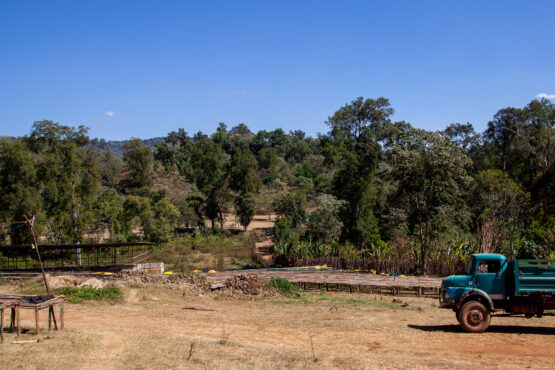
Culturally, the local Oromo people of Shakisso, Guji have great respect for every tree (fruit-bearing or not) they tend to, including coffee. This devotion and commitment to the health of their land plays a key role in the quality of coffee cherry delivered to Hadeso, as even during dry or difficult years, Testi’s team are confident their lots from Shakisso will be exceptional. Hadeso’s team matches the care and expertise of the 700 outgrowers from the nearby village of Dambi Uddo who deliver cherry to the washing station, resulting in outstanding offerings year-to-year.
The majority of the families that contribute to this lot farm organically on tiny plots of land, averaging between two to five hectares in size. Coffee is their main cash crop and grows alongside food crops of corn, fake banana and grain, under the shade of native Birbira, Wanza, and Acacia trees. Their farms typically sit at elevations between 1,900–2,050m above sea level, which combined with the region’s cool temperatures, is ideal for the slow ripening of coffee cherries, leading to denser beans and a sweeter, more complex cup profile.
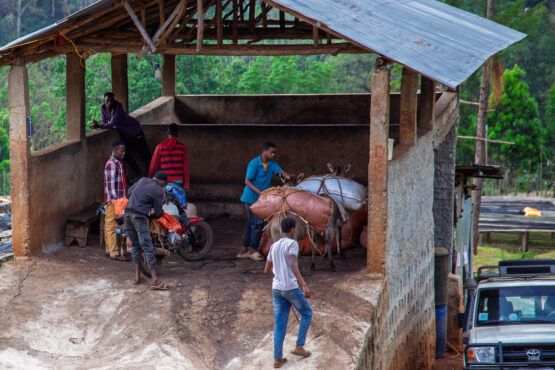
Each outgrower that delivers to Hadeso receives payment on delivery of their cherry, including a premium above the annual market rate set by the Ethiopian government. Farmers who are registered with the washing station also receive a second premium payment three months later or after the lot has been sold, based on what they have delivered. This usually happens around June or July (coinciding with the Ethiopian winter), which is when they would be preparing for the next harvest.